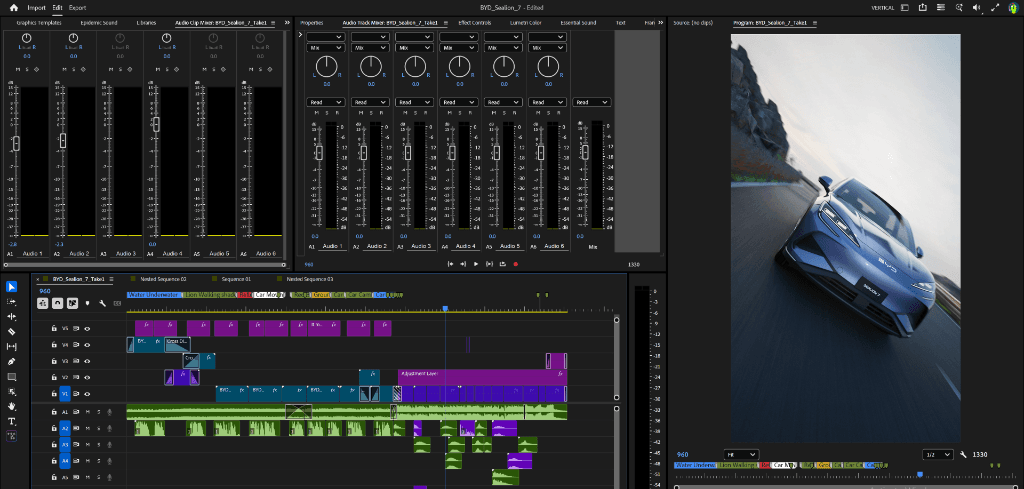
Featured Automotive CGI Reel
The first frame carries the most psychological weight. A larger hero reel establishes polish immediately, then the supporting showreels and Shorts feel curated instead of crowded.
Automotive + Product CGI
Selected Work
A tighter mix of stills and motion, framed to show the kind of premium CGI support used for launch campaigns, pitch approvals, and rollout-ready content.
The first frame carries the most psychological weight. A larger hero reel establishes polish immediately, then the supporting showreels and Shorts feel curated instead of crowded.
Secondary landscape reel placed beneath the lead frame so viewers can keep exploring without losing the section hierarchy.
A second supporting reel gives variety after the hero frame while keeping the interface easy to scan and compare.
Side Preview
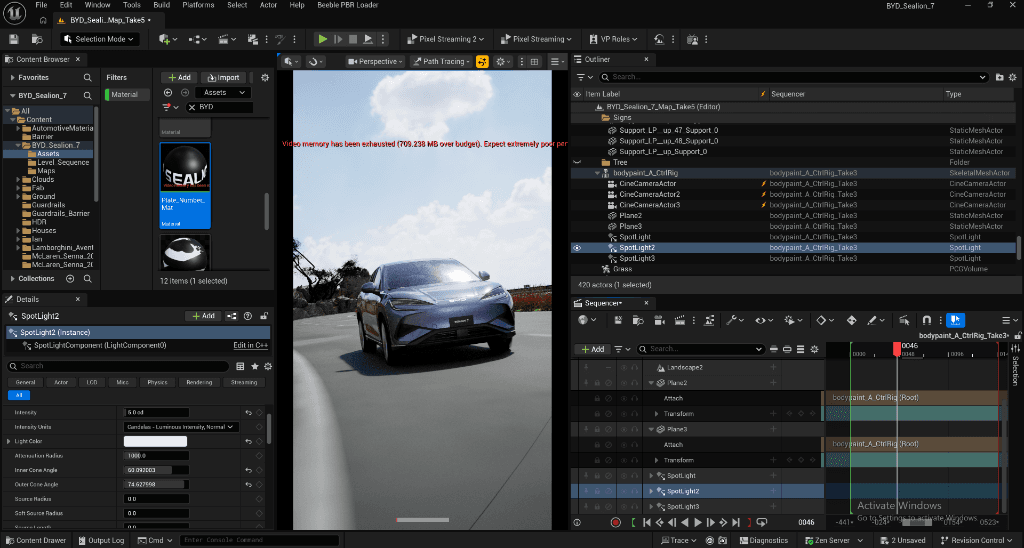
A quick look at the working scene for the Ford Everest Sport shot, where lighting, motion blur, and atmosphere are refined before final export.
This side render captures the look-development stage used to test composition, vehicle presence, dust behavior, and environment depth before the final cinematic delivery.
Built To Sell Before Production
Create premium launch assets when the real-world shoot is not ready, too expensive, or too limiting. The work is structured for brands, agencies, and product teams that need visual confidence before release.
Build look-dev, hero frames, and motion-ready scenes before the physical product, set, or location is available.
Clear compositions, controlled lighting, and campaign framing help internal teams approve visuals with less back-and-forth.
Outputs are planned for websites, paid creative, pitch decks, teasers, social crops, and rollout timelines from the start.
Why CGI Sells
Strong CGI does more than look premium. It makes the offer easier to trust, easier to imagine, and easier to approve. The goal is not decoration. The goal is to make clients feel certainty faster.
When an offer looks expensive, controlled, and intentional, buyers assume the business behind it is credible. That shifts how they judge quality and price before the sales conversation even starts.
Buyers slow down when they cannot picture the result. CGI makes the product feel concrete fast, which reduces uncertainty, improves understanding, and shortens the path to yes.
Average presentation gets ignored. Distinct CGI creates stronger first impressions, improves recall, and gives the brand a sharper edge across landing pages, decks, and campaigns.
Offer Structure
The offers are structured to reduce buyer uncertainty: clear deliverables, usable outputs, and a scope level that matches whether you are testing, launching, or scaling.
Workflow
The process is kept tight so buyers can review quickly, approve cleanly, and know what happens next without project-management noise.
Share product photos, references, deck context, target channels, and the assets that already exist. The goal is to scope for delivery, not just inspiration.
Initial direction is set through lighting, surfacing, and composition so the visual language is approved before the full asset batch is built.
Approved scenes turn into final stills, motion-support frames, crops, and launch-ready exports aligned to the channels you actually need.
FAQ
These are the questions most buyers ask before commissioning premium CGI work. Answering them early reduces friction and keeps the sales conversation focused.
Best case: product photos, references, timeline, and where the assets will be used. Strong reference images and clear campaign goals are enough to scope whether the project should start with a concept frame or a full launch batch.
Yes, but the project should be framed correctly. Early-stage work is better suited to concept visuals, pitch frames, or look-development studies than precision-heavy final marketing renders.
Revision rounds are scoped up front with each engagement. Feedback is easiest and fastest when stakeholders consolidate comments around composition, lighting, materials, and crop priorities instead of treating each export like a separate project.
Usage scope, resolution, aspect ratios, and delivery formats are confirmed before kickoff. That keeps launch assets, paid media versions, and presentation exports aligned to the actual channels they are meant for.
Yes. NDA-friendly handling and private pre-release work can be scoped at the beginning, especially for launches that involve unreleased products, campaign timing, or internal-only review materials.
The inquiry is reviewed for scope, timeline, and available inputs. If the project fits, the reply will outline next steps, clarify missing details, and include call options when a 15-minute review makes sense.
Qualified Intake
Share the essentials so the reply can be useful: what you are launching, what assets already exist, what the deliverable needs to do, and whether you want a quote or a short call.